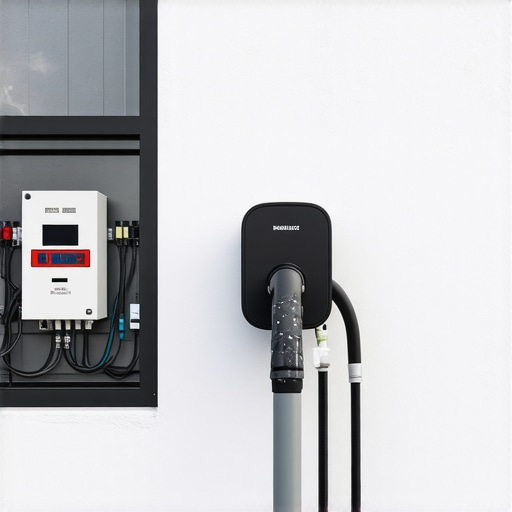

Panel Upgrades & Code Compliance Tips for Reliable EV Charging in 09:52
My Journey into Panel Upgrades and Making EV Charging Safer and Smarter
When I first decided to switch to an electric vehicle, I quickly realized that my home’s electrical system needed some serious attention. I remember the day I attempted to install my first EV charger — sparks flew, and I knew I had to upgrade my electrical panel. That experience was a wake-up call about the importance of proper panel upgrades and adhering to code compliance to ensure reliable and safe EV charging.
Why I Learned That Not All Electrical Panels Are Equal
During my research, I found out that a significant factor affecting EV charging performance is the capacity of my electrical panel. Outdated panels often struggle to handle the high current demands of modern EV chargers, which can lead to frequent trips or even safety hazards. Upgrading your panel isn’t just about faster charging; it’s about safety and long-term reliability. I explored options like panel upgrades for EV chargers, which proved to be a game-changer for my home setup.
How Do I Ensure My Installation Meets Code Compliance?
One thing I learned early on was the critical importance of following electrical codes. Ensuring code compliance isn’t just bureaucratic red tape — it’s essential for safety and insurance purposes. I consulted with licensed electricians and checked resources like ensuring code compliance for EV charger installations. This guided me through the necessary permits, inspections, and proper wiring practices, giving me peace of mind that my setup is both safe and legal.
What Are the Key Factors to Consider for Safe and Reliable EV Charging?
There’s a lot to think about, from the quality of the electrical panel to proper grounding and circuit protection. A well-installed system reduces the risk of electrical fires and ensures your charger works consistently. I’ve also learned that regular troubleshooting can prevent issues — for example, checking connections and updating firmware. For more troubleshooting tips, I recommend visiting expert tips for common issues.
If you’re planning to upgrade your electrical system or install an EV charger, don’t overlook the importance of professional guidance. Proper panel upgrades and code compliance are investments in your safety and your vehicle’s performance. Feel free to share your own experiences or ask questions in the comments — I love hearing from fellow EV owners!
For comprehensive insights, I also found the latest guidelines on panel upgrades and code compliance very helpful. Remember, safety first, and a little expert advice can make all the difference.
Unlocking the Secrets of Expert-Level EV Charger Installations
As more homeowners embrace electric vehicles, the importance of a safe, reliable, and code-compliant charging setup cannot be overstated. Beyond basic installation, understanding the nuanced factors that influence long-term performance involves a deep dive into electrical system design, adherence to evolving codes, and proactive troubleshooting.
What Are the Hidden Factors That Impact Your EV Charging Safety?
While upgrading your electrical panel is a crucial step, other elements such as proper grounding, circuit protection, and load calculations play vital roles. For instance, ensuring your grounding system is adequate and compliant can prevent dangerous electrical shocks or fires. Moreover, a detailed load calculation helps determine if your existing panel can handle the additional demand or if a panel upgrade is necessary, which is often overlooked by DIY enthusiasts. For detailed guidance, consulting professional resources like panel upgrades for EV chargers ensures you cover all bases.
How Can You Future-Proof Your Installation Against Code Changes?
Electrical codes are continually updated to enhance safety standards, especially for high-demand systems like EV chargers. Staying ahead involves not only current compliance but also anticipating future regulations. For example, recent updates emphasize surge protection and smart load management systems, which improve safety and energy efficiency. Partnering with licensed electricians who stay abreast of these changes can save you from costly rework later. Explore code compliance and panel upgrade tips to future-proof your setup.
Are You Considering the Practical Implications of Upgrading Your Electrical System?
Upgrading your electrical system is an investment that offers long-term benefits: faster charging, enhanced safety, and increased home value. But it involves more than just replacing a panel. You might need additional wiring, new circuits, or smart load management devices. These upgrades require careful planning and professional execution. For instance, if your home’s wiring is outdated, it might be wise to consider a comprehensive rewiring project to prevent future issues. For expert advice, visit ensuring code compliance when installing EV chargers.
To ensure your system remains reliable, regular troubleshooting is essential. Checking connections, updating firmware, and inspecting for wear can prevent unexpected failures. For troubleshooting common issues, I recommend reviewing expert troubleshooting tips.
If you’re eager to deepen your understanding of professional EV charger installation and maintenance, I encourage you to share your experiences or questions in the comments. Engaging with a community of knowledgeable homeowners and experts can help you navigate complex situations and optimize your setup.
For continued learning, exploring comprehensive guides such as top safety tips for troubleshooting EV chargers can be invaluable. Remember, a well-executed installation not only protects your home and loved ones but also ensures your EV performs at its best for years to come.
Beyond the Basics: Navigating Complexities in Electrical Panel Upgrades for EV Charging
Reflecting on my journey, I realized that upgrading an electrical panel isn’t merely a straightforward replacement; it’s a complex orchestration of understanding your entire home’s electrical ecosystem. When I delved deeper, I uncovered nuances like the importance of load management systems that dynamically balance power demands, preventing overloads during peak charging times. This is especially critical as EV technology advances and demands more sophisticated electrical infrastructure.
In my experience, integrating smart load management devices not only enhances safety but also prolongs the lifespan of your electrical components. For instance, installing a smart breaker that communicates with your home’s energy system can optimize charging schedules, reduce energy costs, and ensure compliance with evolving codes. For those interested in exploring this, I highly recommend reading about smart solutions for code-compliant upgrades.
What Are the Hidden Risks of Overlooking Future Regulations?
One mistake I see often is homeowners focusing solely on current code requirements without considering upcoming standards. Electrical codes are living documents, regularly updated to incorporate new safety protocols, energy efficiency mandates, and smart technology integration. For example, recent changes emphasize surge protection and energy monitoring, which weren’t as prominent a few years ago. Failing to anticipate these updates can lead to costly rework down the line.
To future-proof your installation, engaging with licensed electricians who stay informed about the latest regulations is crucial. They can recommend compliant upgrades that not only meet today’s standards but are adaptable for future code changes. For a thorough understanding, I suggest reviewing latest code compliance guidelines for 2024.
How Can I Address the Nuances of Grounding and Circuit Protection?
One of the most overlooked aspects in home EV charging setups is proper grounding. My early installations lacked adequate grounding, which posed potential safety risks. After consulting with experts and studying detailed guidelines, I learned that grounding systems must be inspected regularly, especially after upgrades, to ensure they meet strict safety standards. Proper grounding prevents electrical shocks and fires, especially during power surges or faults.
Similarly, circuit protection devices like AFCIs (Arc-Fault Circuit Interrupters) and GFCIs (Ground Fault Circuit Interrupters) are vital. They act as safeguards, detecting anomalies before they escalate into hazards. Integrating these into your system requires careful planning and professional installation—something I can’t stress enough. For comprehensive advice, see guidelines on ensuring code compliance during installations.
How Do I Balance Cost, Safety, and Performance in Upgrades?
When considering an upgrade, it’s tempting to cut corners to save money. However, I’ve learned that investing in quality components and professional installation pays dividends in safety and longevity. Sometimes, a more expensive panel or smart load management system might seem like an extra expense initially but offers better performance and peace of mind over the long term. Additionally, exploring affordable yet reliable upgrade options ensures you don’t compromise safety for cost.
Engaging with trusted professionals who offer transparent quotes and explain the rationale behind their recommendations can help you make informed decisions. For further insights, I recommend reviewing affordable panel upgrade tips for safe EV charging.
What Are Practical Steps You Can Take Today to Improve Your Setup?
Start with a thorough assessment of your current electrical system—know your load capacity, check for outdated wiring, and verify grounding. Regular inspections and maintenance can prevent many issues before they develop into costly repairs. Additionally, consider integrating smart chargers that communicate with your home’s electrical system to optimize charging times and reduce strain.
Sharing your experiences or questions can foster community learning. I encourage you to comment below or visit our contact page for personalized advice. Remember, a well-informed homeowner is your best defense against unexpected electrical issues and future regulatory changes.
Finally, staying engaged with current industry standards and technological advancements—like smart wiring or modular panels—can make your home more adaptable. For ongoing updates, I recommend exploring troubleshooting tips and safety guidelines for EV chargers in 2024. Embrace continuous learning, and you’ll ensure that your home’s electrical system remains safe, efficient, and future-ready.
Mastering Load Balancing: How Smart Electrical Systems Elevate Your EV Charging Experience
In my ongoing exploration of home electrical enhancements, I’ve come to realize that integrating intelligent load management systems transforms the way we approach EV charging. These sophisticated solutions dynamically distribute power, preventing overloads and optimizing energy use, especially during peak demand periods. For example, installing a smart breaker that communicates with your home’s energy grid not only ensures compliance with evolving standards but also extends the lifespan of your components. This proactive approach becomes increasingly vital as EV batteries grow larger and charging speeds accelerate. For detailed insights, explore smart solutions for code-compliant upgrades.
Anticipating Regulatory Evolution: How to Future-Proof Your Electrical Infrastructure
Staying ahead of the curve means understanding that electrical codes are living documents, continually adapting to technological advancements and safety imperatives. Recent updates emphasize surge protection, energy monitoring, and modularity—elements that can significantly impact the longevity and compliance of your system. Engaging with licensed electricians who keep abreast of these changes is essential. They can recommend adaptable upgrades, such as flexible panel architectures or integrated surge suppression, which accommodate future code revisions effortlessly. For more on this, review latest code compliance guidelines for 2024.
Deep Dive: Ensuring Robust Grounding and Circuit Protection for High-Demand Systems
Beyond capacity, the integrity of your grounding and circuit protection mechanisms is paramount. I’ve learned that outdated grounding systems can pose serious safety risks, especially during power surges or faults. Regular inspections and upgrades to grounding rods and connections are vital. Incorporating AFCIs and GFCIs enhances safety by detecting arc faults and ground faults early, preventing potential fires or shocks. Implementing these measures requires professional expertise, and I recommend consulting guidelines on ensuring code compliance during installations for comprehensive best practices.
Engaging with Cutting-Edge Technologies: Modular Panels and Smart Wiring Innovations
In my pursuit of excellence, I’ve explored modular electrical panels designed for seamless upgrades and smart wiring solutions that facilitate future integrations. These innovations allow for incremental capacity expansion, making your home adaptable to the rapid evolution of EV technology. Modular panels can be customized with plug-and-play components, simplifying maintenance and reducing downtime. Smart wiring systems enable remote diagnostics and automated load adjustments, ensuring your system remains efficient and compliant over time. For a detailed overview, visit panel upgrades and code compliance for reliable EV charging.
Take Action: Elevate Your Home’s Electrical Resilience Today
Investing in advanced electrical upgrades is more than a matter of compliance; it’s about creating a resilient, future-proof infrastructure that supports your mobility needs while safeguarding your home. I encourage you to assess your current setup critically, consult with experts, and consider integrating smart, modular solutions that can evolve with your requirements. Engaging in ongoing education and community discussions can also provide valuable insights. Feel free to share your experiences or ask questions—together, we can navigate the complexities of modern electrical systems for safer, smarter homes.
Things I Wish I Knew Earlier (or You Might Find Surprising)
The Hidden Risks of Overlooking Load Management
Early in my EV journey, I underestimated the importance of smart load management systems. It wasn’t until I experienced tripped circuits during peak charging times that I realized how crucial it is to have a system that dynamically balances power demands—preventing overloads and extending the lifespan of your electrical components.
The Power of Proper Grounding
One of the most overlooked aspects is grounding. I once installed a charger without proper grounding, which posed safety risks. After consulting with professionals, I learned that regular grounding inspections and upgrades significantly reduce risks of shocks and fires, especially during power surges.
Code Compliance Isn’t Just Bureaucracy
Ensuring your installation meets current electrical codes is vital for safety and insurance. I found that working with licensed electricians and reviewing resources like code compliance guides makes all the difference in peace of mind.
Future-Proofing Your Setup
Electrical codes are constantly evolving, and recent updates emphasize surge protection and energy efficiency. Investing in adaptable solutions now, such as modular panels, can save you from costly rework later. Staying ahead means partnering with electricians who keep up with the latest standards.
The Value of Regular Troubleshooting
Maintenance isn’t just for repairs. Regular checks of connections and firmware updates can prevent unexpected failures. I recommend reviewing expert troubleshooting tips to keep everything running smoothly.
Resources I’ve Come to Trust Over Time
- National Electrical Code (NEC): The NEC provides the foundation for safe electrical systems in the U.S., and staying informed helps ensure compliance. I frequently refer to updates on code verification resources.
- U.S. Department of Energy (DOE): Their guides on EV charging and home electrical safety are comprehensive and practical, making complex topics accessible.
- Electri-City Blog: A trusted source for real-world electrical tips and innovations, curated by experienced professionals.
Parting Thoughts from My Perspective
Upgrading your electrical system for safe and smart EV charging isn’t just about faster charging—it’s about peace of mind, safety, and preparing for the future. From ensuring proper grounding to integrating smart load management, every step counts. Take the time to assess, plan, and consult with licensed experts—your home and your vehicle deserve it. If this resonated with you, I’d love to hear your thoughts or experiences. Share it with someone who might find it helpful, and let’s keep the conversation going about making our homes safer and smarter for EVs.